What if you could grow your business without hiring more staff, leasing more space, or juggling more logistics? That’s exactly what outsourced distribution and modern fulfillment solutions make possible.
As customer expectations rise and order volumes fluctuate, many businesses are turning to smarter ways to handle pack and ship, e-commerce fulfillment, and even crowdfunding fulfillment. This article breaks down how outsourced distribution works, why it matters, and how it helps brands scale efficiently while staying focused on growth.
What is Outsourced Distribution?
Outsourced distribution is the practice of partnering with a third-party logistics provider to manage storage, inventory, and fulfillment operations. Instead of handling everything in-house, businesses rely on experts to pick, pack, and ship orders directly to customers.
For example, an online retailer selling through multiple platforms might use a logistics partner to manage Amazon seller fulfillment and direct-to-consumer orders simultaneously. This allows them to focus on marketing, product development, and customer experience rather than warehouse operations. This model has grown rapidly alongside e-commerce, where speed, accuracy, and scalability are critical to success.
How Does Outsourced Distribution Work?
At its core, outsourced distribution simplifies the order lifecycle. While every provider operates slightly differently, the process generally follows a clear structure.
Step 1: Inventory Storage and Management
Your products are stored in a professionally managed warehouse. Inventory is tracked in real time, helping reduce stockouts and overstocking.
Step 2: Order Processing
When a customer places an order, the system automatically routes it to the warehouse. This applies to multiple channels, including e-commerce fulfillment platforms and Amazon seller fulfillment systems.
Step 3: Pick, Pack, and Ship
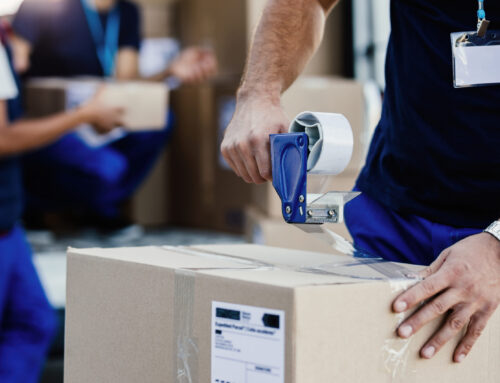
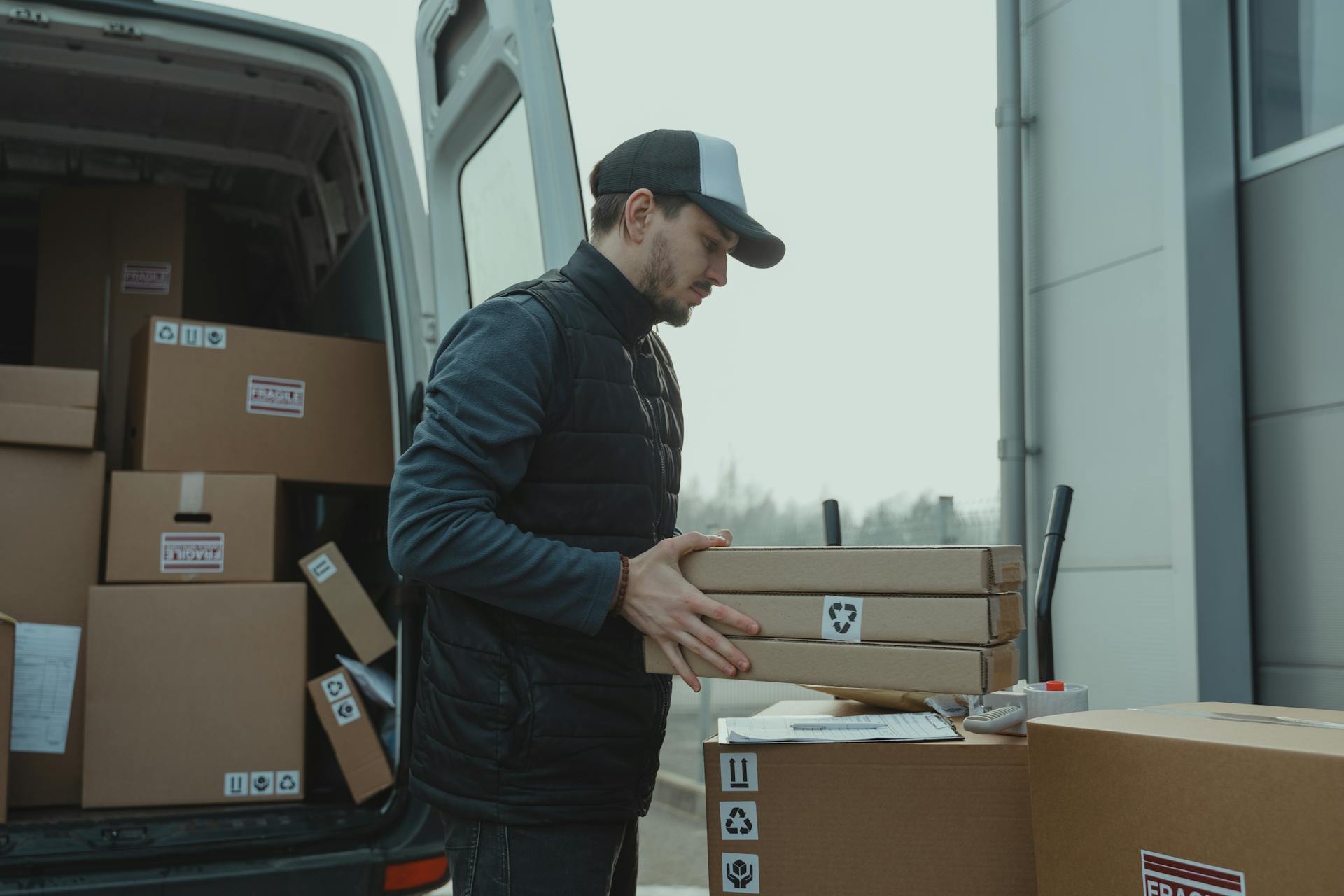
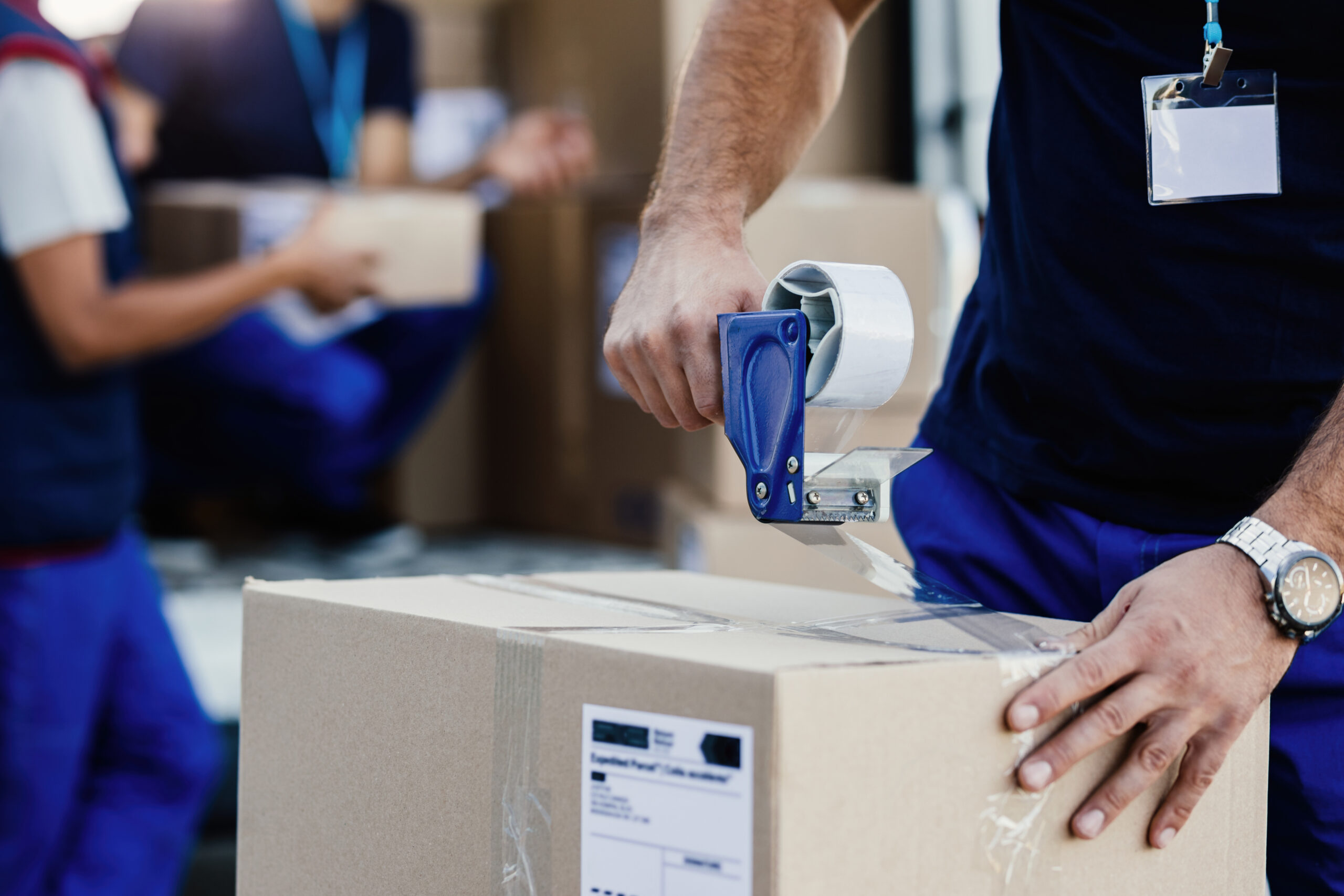
Warehouse teams pick the correct items, carefully pack and ship them, and ensure they meet shipping standards. This step is optimized for speed and accuracy.
Step 4: Shipping and Delivery
Orders are shipped using optimized carrier networks, often reducing costs and improving delivery times.
Step 5: Returns and Reverse Logistics
Returns are processed efficiently, maintaining customer satisfaction while protecting your inventory.
For businesses running product launches or campaigns, this same system can handle crowdfunding fulfillment, ensuring backers receive their orders on time.
Why is Outsourced Distribution Important?
Outsourced distribution has become essential in today’s fast-paced commerce environment. Customers expect quick shipping, real-time updates, and seamless experiences. Managing all of this internally can quickly become overwhelming. According to industry insights from organizations like the Council of Supply Chain Management Professionals, logistics complexity continues to grow as businesses expand across channels.
By outsourcing fulfillment, companies gain access to established systems, trained staff, and scalable infrastructure without the burden of building it themselves. This is especially valuable for growing brands that need flexibility. Seasonal spikes, product launches, or viral demand can all strain internal operations. Outsourced solutions absorb that pressure.
Benefits of Outsourced Distribution
Outsourcing your distribution strategy offers several practical advantages that directly impact growth and efficiency:
- Scalability without overhead – Expand your operations without hiring staff or leasing warehouse space
- Faster shipping times – Professional pack and ship processes improve delivery speed
- Improved accuracy – Reduced errors in order fulfillment and inventory management
- Cost efficiency – Shared logistics infrastructure lowers operational expenses
- Multi-channel integration – Seamless support for e-commerce fulfillment and Amazon seller fulfillment
These benefits allow businesses to operate more efficiently while maintaining a high level of service for customers.
How to Choose the Best Outsourced Distribution Partner
Not all logistics providers are created equal. Choosing the right partner can make or break your fulfillment strategy. Start by evaluating their experience with your business model. If you run an online store, ensure they specialize in e-commerce fulfillment. If you sell on marketplaces, confirm they understand Amazon seller fulfillment requirements. Technology is another critical factor. Real-time inventory tracking, order visibility, and integrations with your sales platforms are essential for smooth operations.
It’s also important to consider flexibility. Your provider should be able to scale with your business, whether you’re handling steady growth or managing large spikes from promotions or crowdfunding fulfillment campaigns. Working with an experienced provider like CGA Logistics can help eliminate common pain points. Their approach focuses on reliability, transparency, and tailored solutions that align with real business needs.
Frequently Asked Questions
Is outsourced distribution only for large businesses?
No. Many small and mid-sized businesses use outsourced fulfillment to stay competitive. It allows them to offer fast shipping without large upfront investments.
Can outsourced distribution handle sudden order spikes?
Yes. One of the biggest advantages is scalability. Providers are equipped to manage fluctuations, including seasonal demand and viral product launches.
Will I lose control over my inventory?
Not at all. Most providers offer real-time dashboards that give you full visibility into stock levels, order status, and shipping updates.
How does outsourced distribution improve customer experience?
Faster shipping, accurate orders, and reliable delivery all contribute to a better customer experience. These factors directly impact reviews and repeat purchases.
Is it compatible with multiple sales channels?
Yes. Modern systems are designed to integrate with e-commerce platforms, marketplaces, and retail systems, making multi-channel fulfillment seamless.
Scale Smarter with Outsourced Distribution
Outsourced distribution is more than a convenience. It is a strategic move that allows businesses to grow without being held back by operational limits. By leveraging professional fulfillment, efficient pack and ship processes, and scalable systems for e-commerce fulfillment and Amazon seller fulfillment, companies can focus on what truly drives success.
The key is choosing a partner that understands your business and provides clear, reliable solutions. CGA Logistics stands out by offering practical, problem-focused support that aligns with real-world challenges, not just logistics theory. If you’re ready to simplify operations and scale with confidence, take the next step and explore how outsourced distribution can transform your business.