
What if the fastest way to cut operating costs wasn’t cutting corners, but making logistics more efficient? For growing companies, outsourced warehousing paired with data-driven logistics strategies can significantly reduce overhead while improving fulfilment performance.
As order volumes increase and customer expectations rise, logistics becomes one of the biggest drivers of both cost and customer satisfaction. Using digital tools, real-time inventory management, and optimized parcel shipping allows businesses to move goods more smoothly, with fewer errors and less waste.
What Is Smart Logistics?
Smart logistics refers to a strategic approach to fulfilment, storage, and distribution that prioritizes efficiency, visibility, and scalability. It combines technology, process optimization, and expert oversight to ensure products move through the supply chain with minimal waste and maximum control.
For example, instead of managing inventory in-house with limited space and staff, a growing retailer may partner with an outsourced warehousing provider. This allows the business to leverage established infrastructure, trained teams, and optimized parcel shipping systems while focusing internal resources on sales and product development.
At its core, this approach aligns operational decisions with business goals. It reduces unnecessary costs while improving accuracy, speed, and customer satisfaction.
How Does Smart Logistics Work?
Logistics becomes more efficient when technology and data are used to remove inefficiencies at every stage of fulfilment. While each operation is unique, the process typically follows a few essential steps.
First, inventory is received, organized, and tracked using modern inventory management systems. These systems provide real-time visibility, reducing overstocking and stockouts. Businesses gain clearer insights into demand patterns and can make better purchasing decisions.
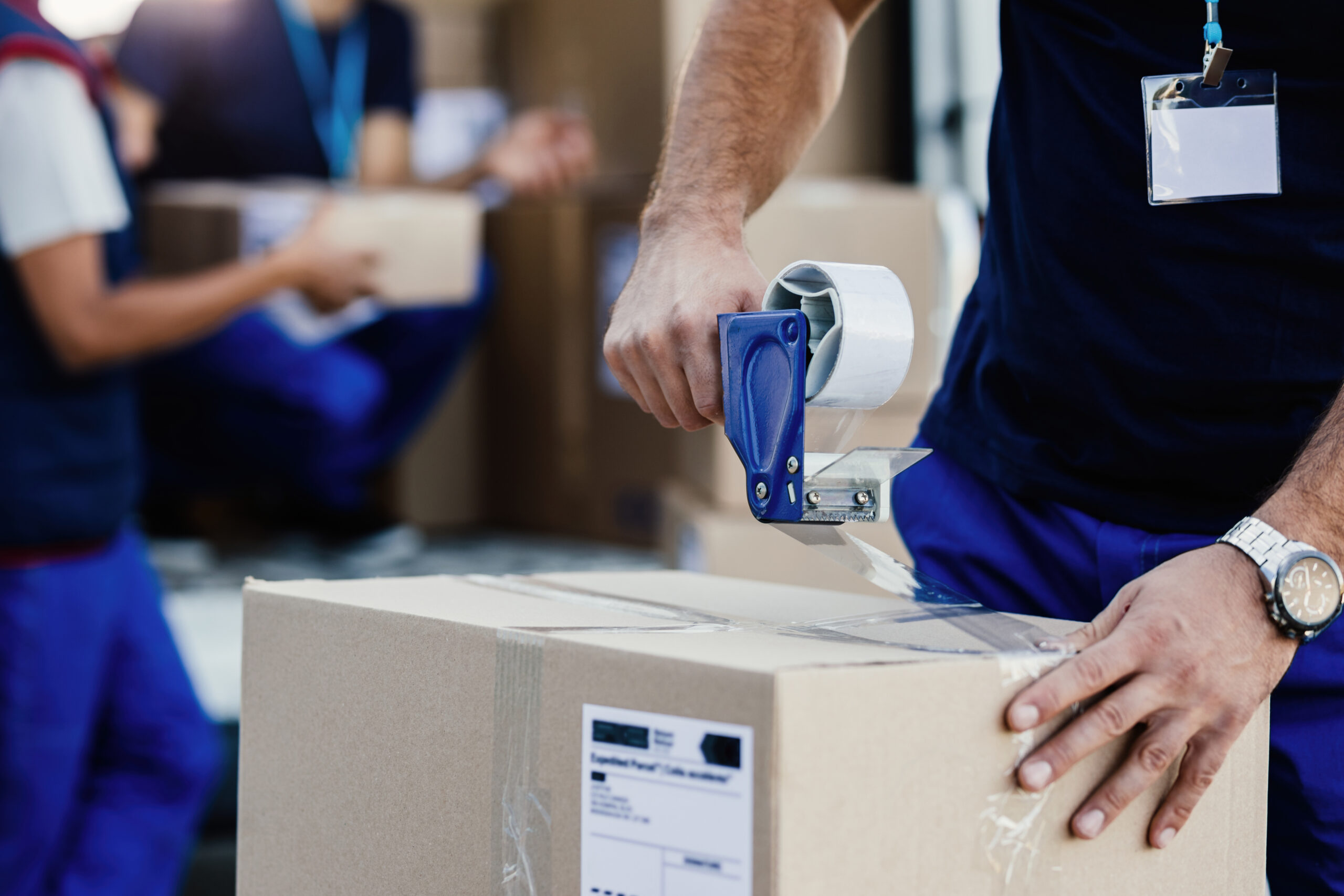
Next, orders are processed through streamlined fulfilment workflows. Items are picked, packed, and prepared for shipment with accuracy and consistency. Quality fulfillment standards ensure fewer errors, returns, and reshipments, all of which directly impact costs.
Finally, parcels are shipped using optimized carrier selection and routing. By leveraging volume discounts and data-driven shipping strategies, logistics partners can significantly reduce parcel expenses while maintaining reliable delivery times.
Companies like CGA Logistics support this entire process by integrating warehousing, fulfilment, and distribution into one coordinated system.
Why Smart Logistics Is Important for Growing Businesses
Growth brings complexity. More orders, more SKUs, and higher customer expectations all place pressure on logistics operations. Without this approach, costs can rise faster than revenue.
Industry research consistently shows that inefficient logistics can account for a significant percentage of operating expenses. Poor inventory management ties up capital, while fulfillment errors erode trust and profitability.
Using data-driven systems and flexible fulfilment models helps businesses stay competitive as they grow. Operations can scale without locking companies into fixed costs or rigid infrastructure. Instead of investing heavily in warehouses, equipment, and labor, companies can scale operations up or down through outsourced warehousing. This reduces financial risk while improving operational resilience.
Ignoring logistics strategy often leads to delayed shipments, inconsistent service, and shrinking margins. This addresses these challenges before they limit growth.
Benefits of Smart Logistics and Outsourced Warehousing
One of the biggest advantages of outsourced warehousing is cost predictability. Businesses avoid large fixed expenses and pay only for the space and services they need. This makes budgeting easier and supports healthier cash flow.
Another key benefit is improved inventory management. With professional systems and experienced teams, stock levels are monitored more accurately. This reduces waste, minimizes storage costs, and ensures products are available when customers place orders.
Quality fulfilment also plays a critical role. Accurate picking, careful packing, and efficient parcel handling reduce returns and customer complaints. Over time, this strengthens brand reputation and lowers the hidden costs of error correction.
How Outsourced Warehousing Supports Scalable Growth
Outsourced warehousing allows businesses to grow without being constrained by physical space or staffing limitations. As order volumes fluctuate, storage and fulfilment capacity can adjust accordingly.
Seasonal spikes are a common challenge. Instead of hiring temporary staff or leasing extra space, companies can rely on their logistics partner to handle increased demand efficiently. When volumes normalize, costs scale back down.
This flexibility is especially valuable for e-commerce and omnichannel brands. Fast, reliable fulfillment across multiple sales channels becomes achievable without overwhelming internal teams.
By partnering with providers like CGA Logistics, businesses gain infrastructure that would otherwise require significant capital investment.
How to Choose the Right Logistics Partner
Selecting the right logistics partner is a strategic decision. Experience in outsourced warehousing and fulfilment is essential, but so is transparency and communication.
Look for a provider with strong inventory management capabilities and proven parcel optimization strategies. Technology should support real-time visibility and reporting, not create additional complexity.
It is also important to evaluate service quality. Consistent, quality fulfilment protects your brand and customer relationships. Ask about error rates, turnaround times, and quality control processes.
Finally, choose a partner that understands your growth goals. Modern logistics strategies work best when aligned with your long-term strategy, not just immediate needs.
Frequently Asked Questions
Do growing businesses really need outsourced warehousing to cut logistics costs?
As order volume increases, costs tied to space, labor, errors, and shipping often rise faster than revenue. Outsourced warehousing can help control those costs by offering scalable space, established processes, and better shipping efficiencies.
How long does it take to transition to outsourced warehousing?
Most transitions take a few weeks to a couple of months, depending on inventory size and system integration. A structured onboarding process helps minimize disruption.
Does outsourced warehousing reduce control over inventory?
No. Modern inventory management systems provide greater visibility and control than many in-house setups, often improving accuracy and decision-making.
Turning Logistics Into a Cost-Saving Advantage
Data-driven logistics operations transform fulfilment from a cost center into a strategic advantage. By leveraging outsourced warehousing, improving inventory management, and prioritizing quality fulfillment, growing businesses can control expenses while delivering better customer experiences.
Instead of reacting to logistics challenges as they arise, smart companies plan ahead. They choose partners who can scale with them and support long-term success.
If you are ready to reduce operational costs and build a more resilient supply chain, explore how CGA Logistics can support your growth through smarter, more efficient logistics solutions.